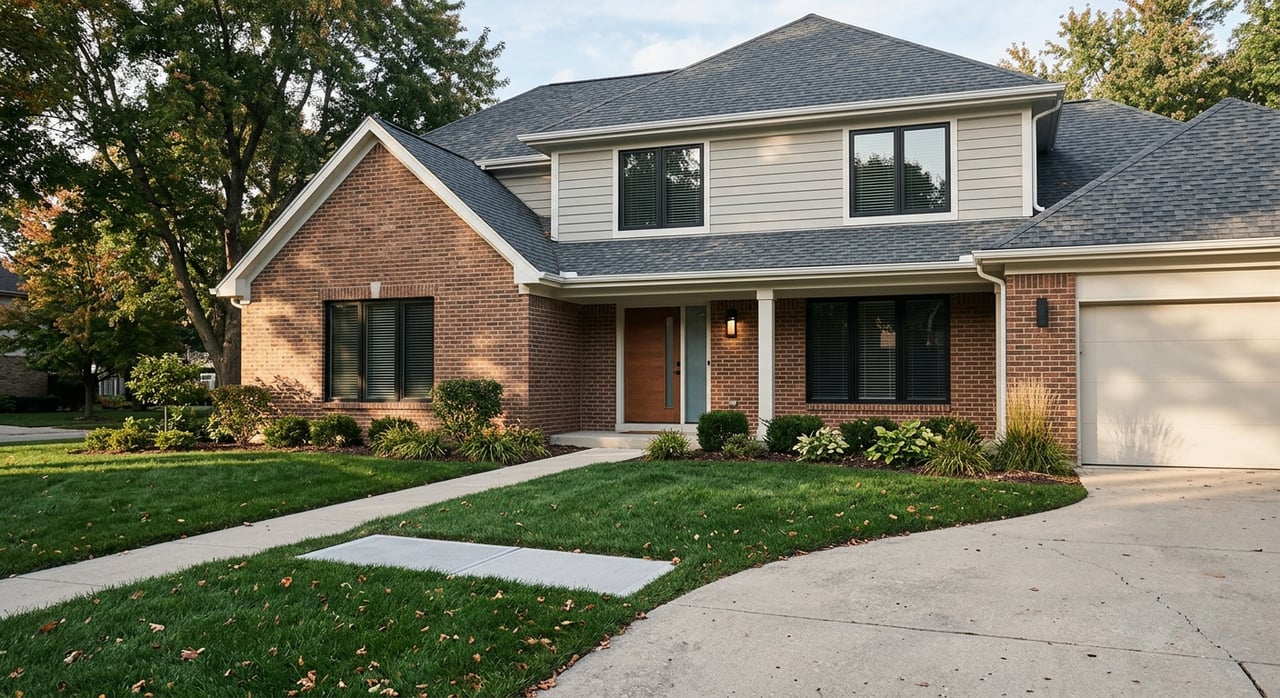
Buying your first home in Fayetteville can feel exciting and a little overwhelming. You want a clear plan, real numbers you can trust, and a local guide who will keep you on track. In this guide, you’ll learn what homes cost right now, how financing and assistance work in Georgia, and exactly what to expect from offer to closing. You’ll also get practical checklists you can use today. Let’s dive in.
Fayetteville market at a glance
Recent market snapshots place the median sale price around $385,000 as of February 2026. The pace is described as somewhat competitive, which means well-priced homes can move quickly while others may sit for a few weeks. Expect most listings to sell near list price when they show well and are priced right.
Fayetteville’s housing stock is mostly single-family homes in established subdivisions, along with some townhomes, condos, and a small historic core. County resources note a mix of older homes and newer planned communities in the area, so you can pick from a range of ages and styles. You can get a feel for the local mix by reviewing the county’s overview of housing and quality of life.
Budget and upfront costs
If you are financing your purchase, typical down payments vary by loan type. Many first-time buyers use FHA at 3.5% down or conventional loans starting around 3% to 5% down if you qualify. VA loans for eligible service members and veterans require no down payment.
Plan for buyer closing costs at roughly 2% to 5% of the purchase price. These include lender fees, appraisal, title and attorney costs, and prepaids for taxes and insurance. For a deeper look at what makes up closing costs, review this buyer closing-cost guide.
Expect to include earnest money with your offer. Locally, this is often a few thousand dollars or about 1% of the purchase price in competitive situations. Earnest money is held in escrow and credited back to you at closing.
Financing tools for first-time buyers
- Georgia Dream down payment assistance: The Georgia Department of Community Affairs offers programs that help eligible first-time buyers with down payment and closing costs in Fayette County. Learn about current purchase-price and income limits, assistance amounts, and participating lenders on the Georgia Dream page.
- Homebuyer education and counseling: HUD-approved housing counselors can provide free or low-cost education that many programs require. You can find a counselor through HUD’s Georgia resources.
- Common loan types: Conventional, FHA, VA, and USDA loans are all used in the south metro. VA is a strong option if you are a veteran or active-duty. Some addresses outside denser areas may qualify for USDA. Ask your lender to confirm eligibility by property address and your qualifications.
Step-by-step: how buying works in Georgia
Get pre-approved first
A written pre-approval puts you in position to make a strong offer. Lenders typically request recent pay stubs, two years of W‑2s or tax returns, bank statements, ID, and permission to pull credit. For a practical overview of what lenders will estimate and the fees to expect, see this closing-cost and documents guide. Ask for a pre-approval letter you can submit with offers.
Shop smart and write a strong offer
In Georgia, many agents use the Georgia Association of REALTORS Purchase & Sale Agreement, a standard form that outlines price, timelines, contingencies, exhibits, and deadlines. You can review a sample GAR contract to see the structure of key terms and exhibits here.
As a first-time buyer, you will likely include financing, inspection, and appraisal contingencies. In faster-moving situations, some buyers shorten inspection windows or adjust terms to stay competitive. We will talk through the pros and cons so you can protect your interests and still write a compelling offer.
Inspections that matter in Georgia
Order a general home inspection that covers structure, roof, HVAC, plumbing, and electrical. In Georgia, wood-destroying organism inspections are common, and many lenders will require an official WDO report. Learn why the “termite letter” matters from this overview of termite and WDO inspections.
If the property has a private well or septic, arrange water-quality testing and a septic inspection. For homes built before 1978, federal law requires you receive the EPA/HUD lead-based paint pamphlet. Review the official lead-based paint guide so you know your rights and options.
Appraisal, title, and closing
Your lender will order an appraisal to confirm the home’s value. If the appraised value comes in below your contract price, we will discuss options that can include negotiating repairs or price changes, or bringing additional funds if that is right for your budget.
A title search and title insurance are standard. In Georgia, a licensed attorney conducts real estate closings, prepares and records the deed, and disburses funds. If you want to understand that role, this FAQ from a Georgia firm explains attorney-led closings. Most financed purchases close in about 30 to 60 days, depending on your loan type and any repair or underwriting items.
Local factors to review
- Property taxes: Georgia typically assesses property at 40% of fair market value, then applies local millage rates. You can read state guidance on how assessment ratios work here. Ask your lender to estimate annual taxes in your payment and verify exemptions you may qualify for.
- HOAs: Many Fayetteville subdivisions have homeowners associations. Request HOA documents early to review fees, rules, and any planned assessments. You will include related disclosures with your offer.
- Schools: Fayette County Public Schools serves the area. To research objective school data, start with federal sources like the National Center for Education Statistics district profile. Always confirm current boundaries and programs directly with the district.
Quick checklists you can use
Pre-approval checklist
- Government ID and Social Security number
- 30 days of pay stubs and 2 years of W‑2s or full tax returns if self-employed
- Two months of bank statements for accounts used toward your funds to close
- Asset statements for 401(k) or investment accounts and a gift letter if needed
- Explanations for large deposits or recent credit inquiries
- A written pre-approval letter from your lender
Inspection checklist
- Roof age and condition; structure and foundation
- HVAC, electrical panel, GFCIs, and plumbing fixtures
- Drainage, grading, moisture, and any signs of mold risk
- WDO inspection and report (termite letter)
- Well water quality and septic function if applicable
- Lead-based paint considerations for pre-1978 homes and radon testing if desired
Closing-day checklist
- Government ID for each buyer on the loan
- Certified check or wire instructions for final funds as directed by the closing attorney
- Closing Disclosure reviewed at least three business days in advance if financing
- Proof of homeowners insurance naming the lender as loss payee
- Contact info for your lender, agent, and closing attorney
What a realistic timeline looks like
- Week 0 to 1: Get pre-approved, define budget and must-haves, and set your search plan.
- Week 1 to 3: Tour homes, compare costs and HOA details, and submit offers when ready.
- Week 3 to 6: Complete inspections, negotiate repairs, and finalize loan underwriting.
- Week 5 to 9: Appraisal clears, title work completes, and you receive your Closing Disclosure.
- Closing week: Sign with the closing attorney, receive keys, and celebrate move-in day.
Buying your first home should feel guided and organized. If you want a clear plan and steady communication from pre-approval to closing, let’s connect. Schedule a Consultation with Antonio Merkerson Sr. today.
FAQs
What are current home prices in Fayetteville for first-time buyers?
- Recent market snapshots show a median sale price near $385,000 as of February 2026, with a somewhat competitive pace where well-priced homes can move quickly.
How much cash do I need to buy a home in Fayetteville?
- Many first-time buyers use 3% to 5% down with conventional loans or 3.5% with FHA, plus about 2% to 5% for closing costs, and an earnest money deposit credited back at closing.
Does Georgia have down payment assistance I can use here?
- Yes. The Georgia Dream program operates in Fayette County, with eligibility based on income, purchase-price limits, and program rules.
Who runs the closing in Georgia and where do I sign?
- In Georgia, a licensed attorney conducts the closing, prepares and records the deed, and handles disbursements. Learn more in this closing FAQ.
Will I need a termite inspection or letter to close?
- Many lenders request an official wood-destroying organism report in Georgia. A local overview of the process is here: termite and WDO inspections.
How do property taxes work in Fayette County?
- Georgia generally assesses property at 40% of fair market value and applies local millage rates. Review the state’s description of assessment ratios here.